Seasonal Safety Tips for Colorado Mountain Seniors
Living in Colorado's mountain communities offers incredible scenery, fresh air, and a peaceful lifestyle that many seniors love. From beautiful snow-covered winters to mild summers and vibrant autumn landscapes, mountain living can be both rewarding and refreshing. However, Colorado's unique climate and higher elevations also come with seasonal challenges that require extra preparation—especially for older adults.
Whether you already live in a mountain community or are considering relocating, understanding how to stay safe throughout the changing seasons can help protect your health, comfort, and independence.
Winter Safety: Preparing for Snow, Ice, and Cold Temperatures
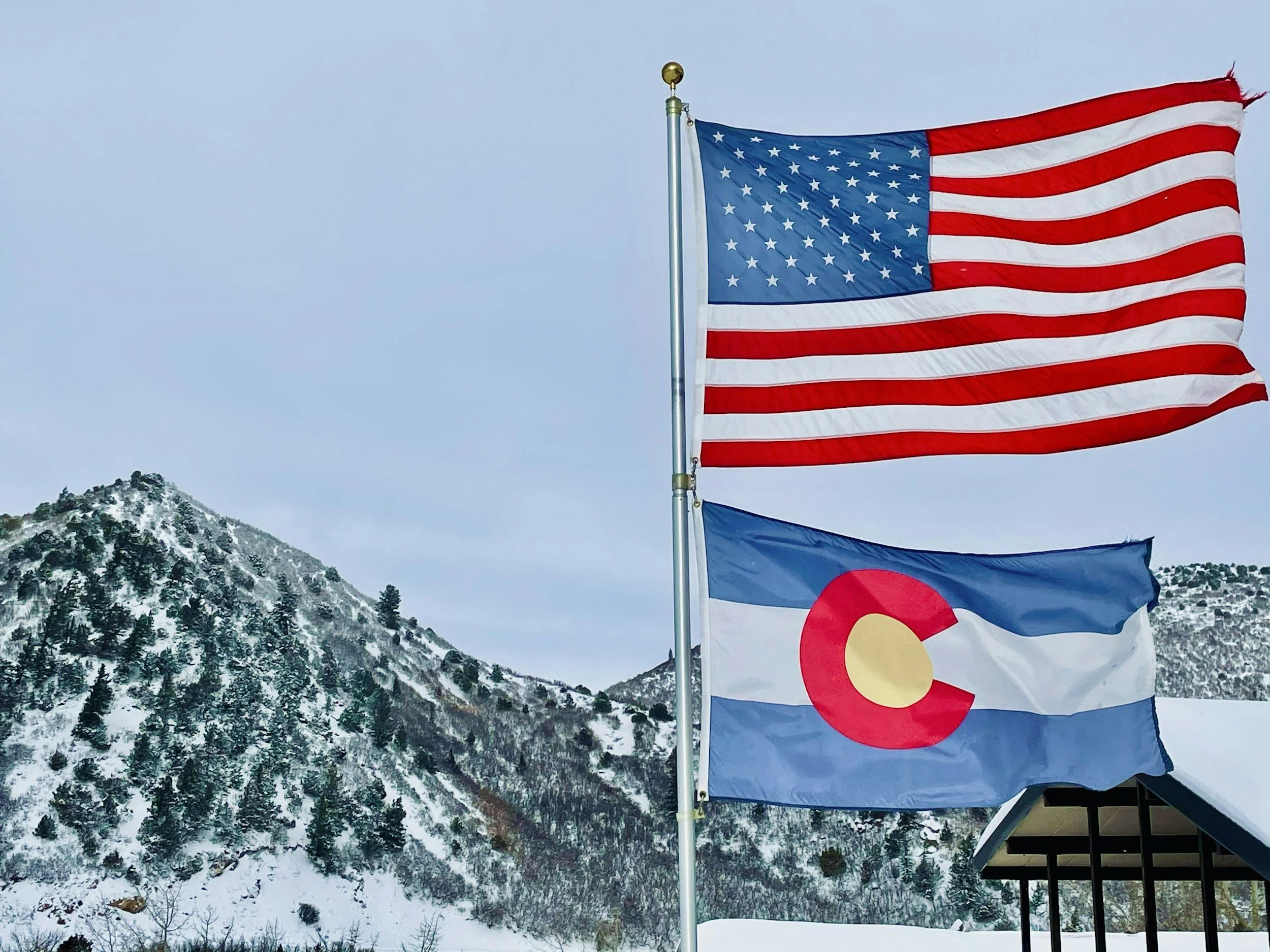
Winter in Colorado's mountain regions can bring heavy snowfall, freezing temperatures, icy walkways, and occasional power outages. For seniors, these conditions can increase the risk of falls, cold-related illnesses, and transportation challenges.
Important winter safety tips include:
Keep walkways, driveways, and entrances clear of snow and ice
Wear supportive shoes with non-slip soles
Dress in warm layers, including hats, gloves, and insulated outerwear
Keep emergency supplies at home, including flashlights, batteries, bottled water, medications, and extra blankets
Arrange reliable transportation for medical appointments and grocery trips during severe weather
Install handrails or grab bars where extra support may be needed
Check heating systems regularly to ensure they are working properly
Falls are one of the biggest winter risks for seniors, making home safety and mobility planning especially important.
Altitude Awareness and Health Considerations
Colorado's higher elevations can affect seniors differently, particularly those with respiratory or heart conditions. Mountain living means thinner air, lower oxygen levels, and faster dehydration.
To stay safe at higher altitudes:
Stay well hydrated throughout the day
Limit overexertion, especially when adjusting to elevation
Watch for dizziness, fatigue, headaches, or shortness of breath
Speak with your healthcare provider if you have underlying heart or lung conditions
Allow time to gradually acclimate if relocating from lower elevations
Spring and Summer Safety
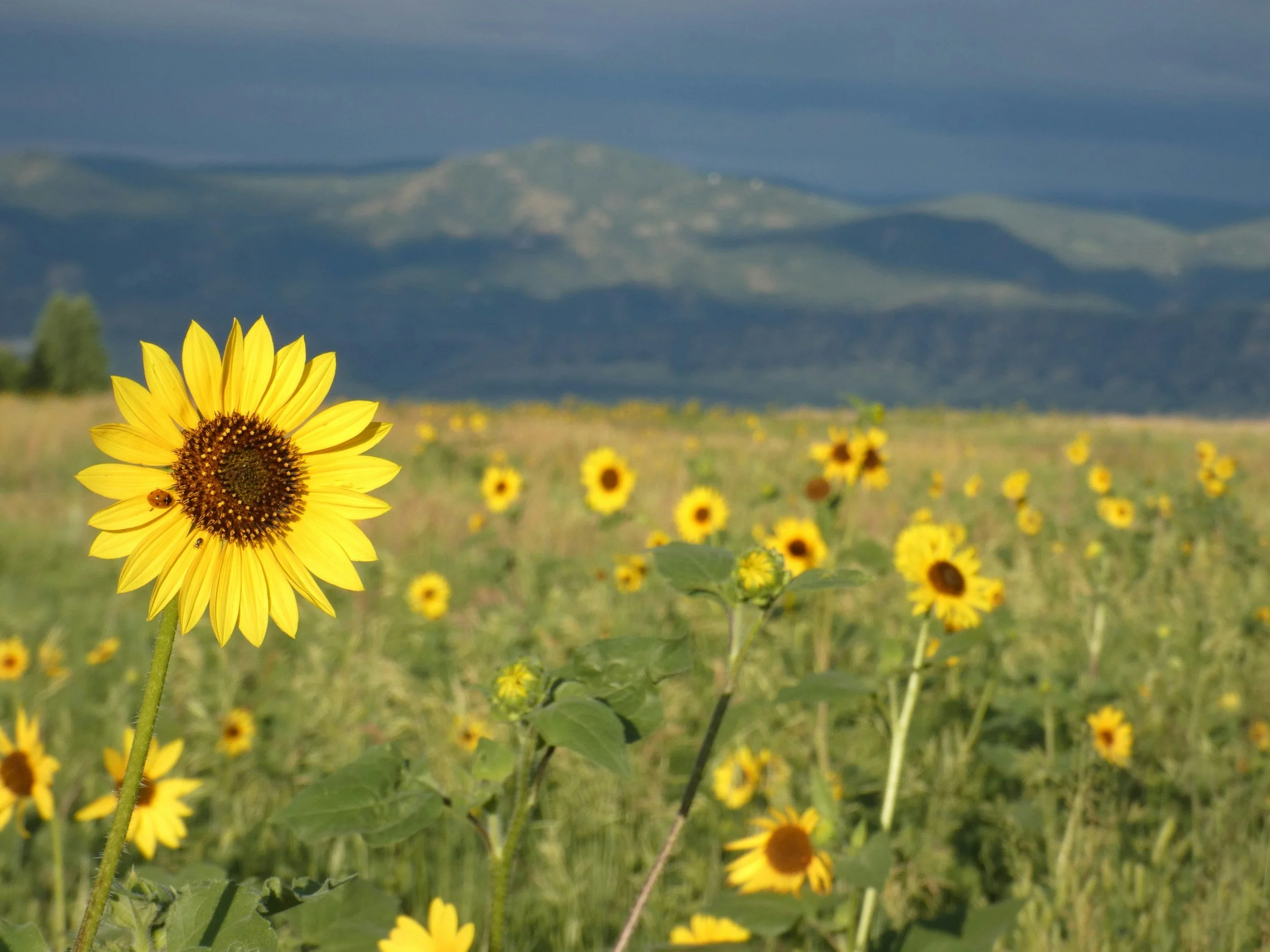
Warmer months bring opportunities for outdoor enjoyment, but also introduce new safety concerns such as strong sun exposure, dehydration, and seasonal allergies.
Helpful warm-weather precautions include:
Wear sunscreen, sunglasses, and protective clothing
Avoid extended outdoor activity during peak afternoon heat
Drink water consistently, even when not feeling thirsty
Be mindful of seasonal pollen if allergies or respiratory sensitivities are present
Use insect protection during outdoor gatherings
Monitor weather conditions, especially afternoon thunderstorms common in mountain areas
Fall Preparation
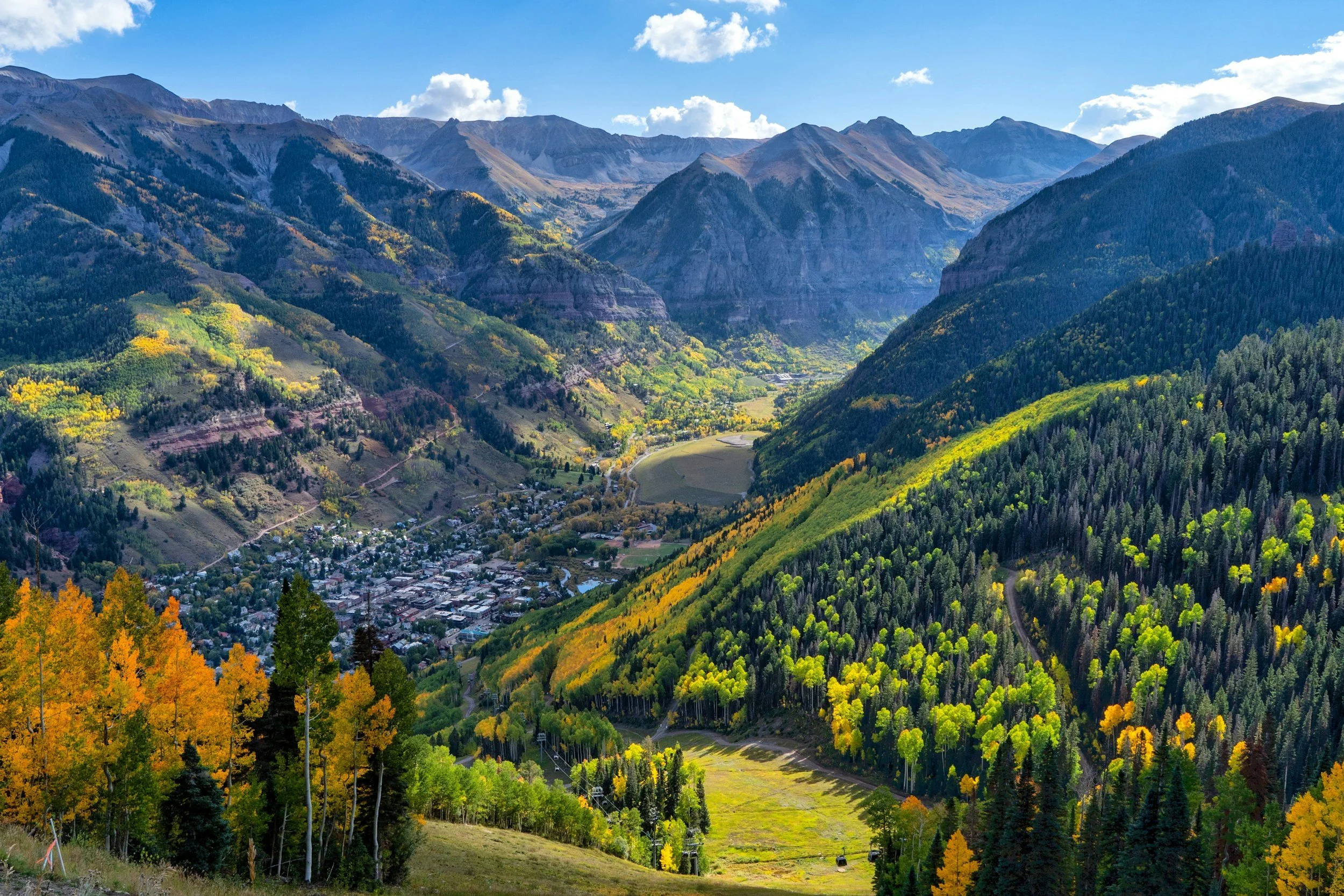
Autumn is beautiful in mountain communities, but it is also the ideal time to prepare for winter conditions before temperatures drop.
Important seasonal tasks include:
Schedule heating system maintenance
Inspect roofs, gutters, and weather sealing
Refill medications and emergency supplies
Test smoke and carbon monoxide detectors
Prepare vehicles for winter driving conditions
Arrange snow removal assistance if needed
Emergency Preparedness for Mountain Living
Mountain communities can occasionally face weather-related road closures, utility interruptions, or delayed emergency response times due to location.
A strong emergency plan should include:
A list of emergency contacts
Backup medication supplies
Battery-powered communication devices
Easy access to important medical information
A plan for food, water, and transportation during storms
Communication check-ins with family, neighbors, or caregivers
Home Safety Adjustments
Small home modifications can significantly improve safety year-round.
Improved lighting in entryways and hallways
Slip-resistant flooring
Easy-to-reach storage for everyday items
Medical alert systems
Smart thermostats for temperature monitoring
Accessible bathroom safety features
Final Thoughts
Colorado's mountain communities offer a beautiful and fulfilling lifestyle for seniors, but seasonal preparation is essential for staying safe and comfortable throughout the year.